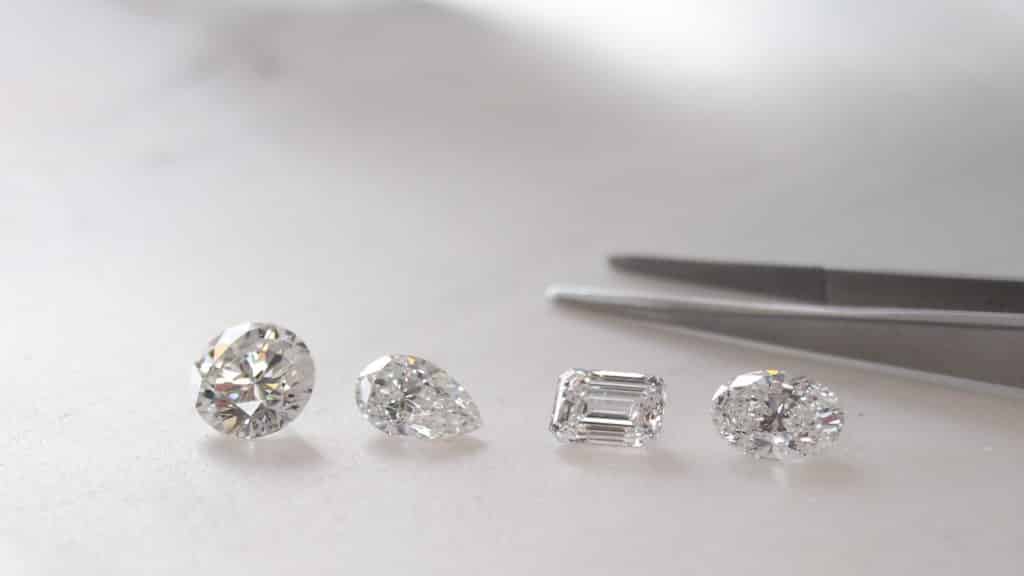


What Lab Made Diamonds Actually Are
You may hear different terms used for lab grown stones. The meaning is simple. These platinum engagement rings are created in controlled environments that replicate natural conditions. The result is a diamond with the same chemical structure as one formed underground.
They are not simulants. They are not imitations. They are diamonds by definition. The difference lies in origin not composition.
Two main methods are used. High pressure high temperature and chemical vapor deposition. Both produce stones that match mined diamonds in hardness brilliance and durability.
If you are choosing a ring that will be worn daily this matters. You need a stone that holds up over decades. These diamonds do.
Why Origin Matters to You
The origin of a diamond affects more than price. It affects traceability supply chain clarity and how much control exists over quality.
When a diamond is grown in a lab every step is documented. You can know where it came from and how it was produced. There is no guesswork.
This matters if you value transparency. It also matters if you want consistency. Lab environments allow precise control over growth conditions. That means fewer surprises in clarity or color.
For you this translates into confidence. You know what you are buying and why it looks the way it does.
Visual and Physical Differences
To your eye there is no visible difference between a mined diamond and a lab grown one of the same grade. Light performance depends on cut not origin.
Under specialized equipment experts can identify growth patterns. This does not affect wear or beauty.
Physically the stones are identical in hardness and resistance to scratching. Both rate a ten on the Mohs scale.
For daily wear this means the stone can handle impact pressure and time. It will not cloud or degrade.
Cost Structure and What You Pay For
Price is one of the clearest differences. Lab grown stones cost less per carat. The reason is production control not lower quality.
There is no mining infrastructure. There are no unpredictable yields. Growth time is measured in weeks rather than millions of years.
For you this means budget flexibility. You can choose a higher quality stone or allocate more to setting material like platinum without increasing total spend.
Example
You choose a one carat stone with higher clarity instead of compromising to stay within budget.
How They Fit with Platinum Settings
Platinum is dense and strong. It holds stones securely and resists wear. When paired with a diamond of equal durability the result is a ring built for long term use.
This pairing works well for active lifestyles. Platinum does not thin over time like some gold alloys. The diamond remains secure.
Lab made diamonds are graded and cut with modern precision. This pairs well with platinum settings that emphasize clean lines and structural strength.
The combination makes sense if you value function over ornament.
Environmental and Supply Considerations
Mining alters land and uses significant energy. Lab production also uses energy but in a controlled setting.
The difference for you is scale and traceability. Lab environments allow monitoring of inputs and outputs. There is no unknown supply chain.
If environmental impact matters to you this clarity helps decision making. You can weigh known factors rather than assumptions.
This does not make one choice moral and the other not. It gives you information to decide based on your priorities.
Certification and Grading
Lab grown diamonds are graded by the same institutions that grade mined stones. Reports list cut color clarity and carat.
You should always ask for certification. This protects you and allows comparison across sellers.
Look for grading from established labs. The report should clearly state origin.
This keeps expectations aligned and prevents confusion later.
Resale and Long Term Value
Resale value is often raised as a concern. Diamonds are not liquid assets. Most rings are bought to be worn not sold.
Lab grown stones currently have lower resale value. This reflects market structure not durability.
If your priority is long term wear rather than resale this may not matter. If resale matters you should factor this into your decision.
The key is alignment. Choose based on how you plan to use the ring not hypothetical outcomes.
Common Misunderstandings
Some people assume lab grown means fragile. This is incorrect. The crystal structure is the same.
Others assume the stones look different. They do not.
Another assumption is that they are temporary. Diamonds do not expire. Origin does not change that.
Clear information removes these doubts.
How to Decide If This Option Fits You
Ask yourself practical questions.
- Do you want clarity on origin and production
- Do you prefer allocating budget toward setting or size
- Do you plan to wear the ring daily for decades
If your answers point toward durability transparency and control then lab made diamonds may suit you.
If rarity and geological history matter more you may lean elsewhere.
Neither choice is universal. The right choice is the one that fits your use and values.
Working With a Jeweler
Choose a jeweler who explains options without pressure. Ask to see stones side by side. Ask about setting security.
A good jeweler will discuss platinum behavior over time and how it interacts with the stone.
They should also explain care. Platinum develops a patina. This is normal. It can be polished if you prefer a bright finish.
Understanding maintenance helps avoid surprises.
FAQ
Are lab made diamonds real diamonds
Yes. They have the same physical and chemical properties as mined diamonds. The difference is origin.
Do they last as long as mined diamonds
Yes. Durability and hardness are the same. They are suitable for lifelong wear.
Can they be set in platinum engagement rings
Yes. They pair well with platinum due to similar durability and structural strength.